
Japanese aesthetics, renowned for their serene minimalism and deep connection to nature, are poised for a fascinating fusion with the modern world of grow lights. This exploration delves into the principles of wabi-sabi, the beauty of imperfection, and the reverence for natural elements, all while examining the technical and visual aspects of grow lights. The result? A potentially revolutionary approach to indoor gardening, where the interplay of light and plant life becomes a captivating and harmonious experience.
The aesthetic blends traditional Japanese design principles with the practicalities of indoor plant cultivation. This fusion promises a unique approach to cultivating plants, incorporating aspects like natural light integration, sustainable practices, and carefully curated plant selections to create a truly immersive and aesthetically pleasing environment.
Defining Japanese Aesthetics
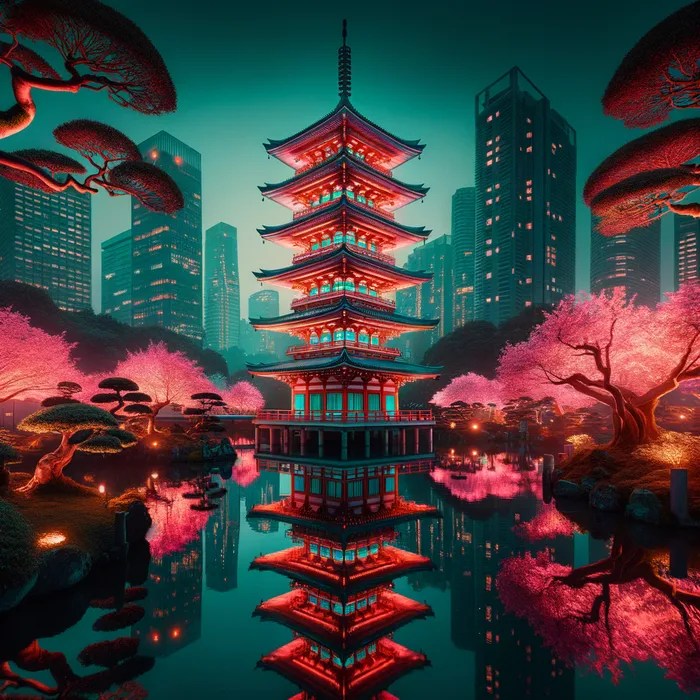
Japanese aesthetics, deeply rooted in centuries of cultural evolution, offer a unique lens through which to view the world. This intricate system of values, encompassing concepts like wabi-sabi, minimalism, and the profound appreciation for nature, profoundly shapes artistic expression, architectural design, and everyday life. These principles stand in contrast to, yet also resonate with, other cultural aesthetic traditions.The core tenets of Japanese aesthetics, far from being static, are dynamic and evolving, reflecting the nation’s rich history and ongoing engagement with the world.
These principles, including the concept of impermanence and the beauty found in imperfection, are not merely stylistic choices but philosophical underpinnings that influence the way Japanese society perceives and interacts with its surroundings.
Key Principles of Japanese Aesthetics
Japanese aesthetics are characterized by a profound respect for nature and a pursuit of understated beauty. Central to this philosophy is the concept of wabi-sabi, an aesthetic that embraces the inherent beauty of imperfection, impermanence, and the natural process of decay. It contrasts sharply with the emphasis on symmetry and perfection found in some other cultures. Minimalism, another key element, focuses on simplicity and functionality, rejecting excess and ornamentation.
These principles are evident in a range of artistic and cultural expressions.
Manifestations in Japanese Culture
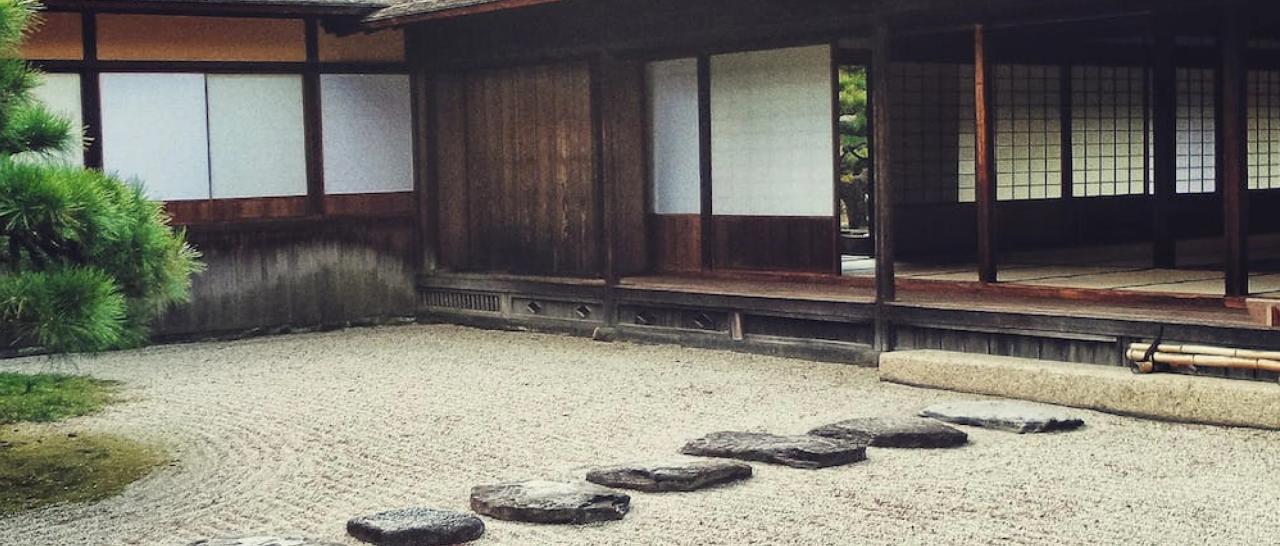
The principles of wabi-sabi, minimalism, and the appreciation of nature are interwoven throughout various aspects of Japanese culture. Traditional Japanese gardens, for instance, often feature carefully arranged rocks, moss, and water features, reflecting the serenity and tranquility of nature. The minimalist aesthetic is evident in traditional tea ceremonies, where simplicity and functionality are paramount. The architecture of traditional Japanese homes, often characterized by natural materials like wood and bamboo, underscores the integration of nature into the built environment.
These aspects are strikingly different from Western approaches to design, which often emphasize symmetry, grandeur, and ornamentation.
Role of Natural Elements
Natural elements play a crucial role in Japanese aesthetics. From the meticulously sculpted bonsai trees to the serene landscapes of Zen gardens, nature is not merely a backdrop but an integral component of the design. This integration of nature is a fundamental aspect of Japanese aesthetics, reflecting a deep connection to the environment. This is markedly different from many Western approaches, where nature is often viewed as a separate entity to be conquered or controlled.
The natural elements are carefully selected and arranged to evoke a sense of harmony and balance.
Comparison with Other Cultural Aesthetics
While elements of Japanese aesthetics, such as wabi-sabi and minimalism, resonate with similar concepts in other cultures, the unique blending and emphasis found in Japanese traditions are distinctive. For example, while a sense of simplicity can be found in some aspects of Western design, the integration of imperfection and impermanence into the very fabric of Japanese aesthetics is unique.
Furthermore, the deep respect for nature in Japanese aesthetics sets it apart from cultures that may view nature as a resource to be exploited. The interplay of these elements creates a holistic aesthetic that transcends mere design choices, reflecting a profound cultural philosophy.
Table: Key Elements of Japanese Aesthetics
| Element | Definition | Visual Examples |
|---|---|---|
| Wabi-Sabi | An aesthetic that embraces the beauty of imperfection, impermanence, and natural processes. | A weathered tea bowl, a moss-covered rock garden, an old wooden house. |
| Minimalism | An emphasis on simplicity, functionality, and the absence of excess ornamentation. | A simple, unadorned room, a traditional Japanese tea ceremony, a minimalist garden. |
| Nature Integration | The incorporation of natural elements into design and everyday life. | A garden with carefully placed rocks and water features, a house built from natural materials, a bonsai tree. |
Interpreting “Grow Lights”
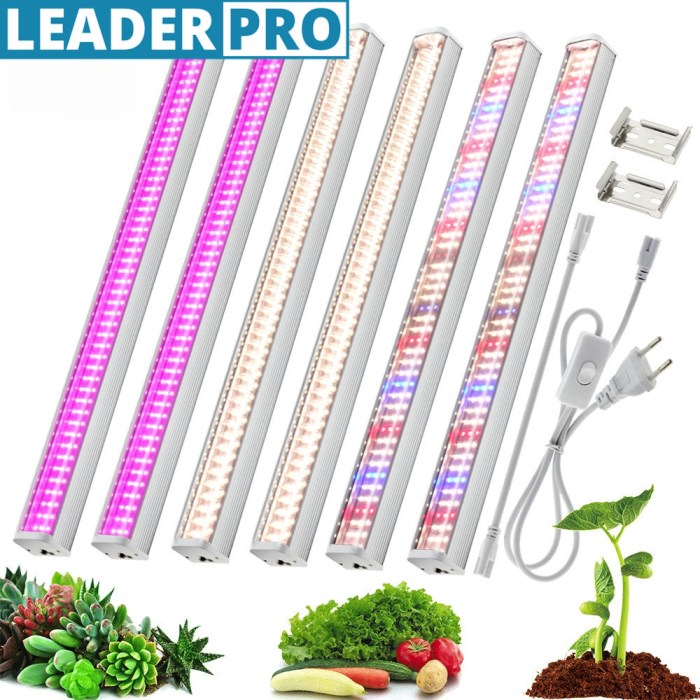
Grow lights, ubiquitous in indoor horticulture, have evolved from simple fluorescent tubes to sophisticated LED arrays. Their increasing sophistication and versatility necessitate a nuanced understanding of their technical attributes and aesthetic considerations for optimal integration into modern indoor environments. This understanding is crucial for discerning consumers seeking to optimize plant growth and create visually appealing indoor gardens.Beyond their practical function, grow lights offer significant aesthetic potential.
Their shapes, sizes, and color temperatures contribute to the overall ambiance of a grow space, transforming it from a purely functional area to a visually engaging one. This exploration delves into the diverse types of grow lights, their technical specifications, visual characteristics, and materials, providing a comprehensive guide for discerning enthusiasts and professionals.
Grow Light Types and Characteristics
Grow lights are categorized by their light spectrum and the way they emit light. Understanding these differences is key to optimizing plant growth. Different plants have varying light requirements, and the spectrum emitted by different grow lights can directly impact the health and yield of the crop. Fluorescent lights, high-pressure sodium (HPS) lights, metal halide (MH) lights, and light-emitting diodes (LEDs) are among the most common types.
Each offers unique advantages and disadvantages.
Technical Specifications and Functions
The technical specifications of grow lights, such as wattage, lumen output, spectrum, and color temperature, directly influence their performance. Wattage dictates the light intensity, while lumen output measures the total amount of visible light produced. The spectrum refers to the range of wavelengths of light emitted, and color temperature, measured in Kelvin, dictates the color appearance of the light.
For instance, a higher Kelvin value suggests a cooler, whiter light. These specifications are crucial for selecting the right grow light for specific plant needs.
Visual Attributes
Grow lights exhibit a range of visual attributes, including shape, size, color, and texture. The shape of the light fixture can vary significantly, from compact and linear designs to bulky and voluminous fixtures. Size also plays a crucial role in determining the area covered by the light, while color temperature significantly impacts the overall aesthetic. For example, cool white LEDs produce a bright, crisp light ideal for spaces where aesthetics are prioritized, while warm white LEDs offer a more inviting and comforting ambiance.
Texture, though less prominent, can also influence the visual appeal of a grow light, with some models featuring sleek, modern designs while others adopt more rustic or industrial aesthetics.
Materials and Construction
The materials used in grow light construction influence their durability, heat dissipation, and cost. Metal housings, for instance, provide robust support and efficient heat dissipation, while plastic components often contribute to a more compact and lightweight design. Heat sinks, often made of aluminum or copper, are integral components in dissipating the heat generated by the light source, crucial for longevity and efficiency.
Proper material selection directly impacts the lifespan and functionality of the grow light.
Pros and Cons of Different Grow Light Types for Aesthetic Purposes
| Grow Light Type | Pros (Aesthetic) | Cons (Aesthetic) |
|---|---|---|
| LED | Compact size, customizable color temperature, sleek design, energy-efficient | Can be more expensive upfront, potential for glare if not properly positioned |
| HPS | High output, warm color temperature, relatively affordable | Bulky, high heat output, less energy-efficient, harsh light |
| MH | High output, cool color temperature, good for certain plants | Bulky, high heat output, harsh light |
| Fluorescent | Compact, relatively affordable, cool color temperature | Lower output, not as visually striking as other options |
Combining Grow Lights and Japanese Aesthetics
Cultivating thriving indoor gardens while adhering to the principles of Japanese aesthetics is a growing trend. The fusion of modern horticultural technology with traditional Japanese design principles offers a unique and captivating approach to interior design. This blend can create spaces that are both visually appealing and conducive to plant growth.Harmonizing grow lights with Japanese aesthetics involves respecting the balance between the artificial light source and the natural elements it seeks to nurture.
By carefully considering light color, intensity, and placement, and by incorporating natural materials and minimalist design, a space can be achieved that feels both contemporary and deeply rooted in tradition.
Light Color and Intensity Considerations
The spectrum of grow lights significantly impacts the aesthetic experience. Cool-toned, white lights can evoke a sense of clarity and modernity, mirroring the Japanese appreciation for simplicity. Warm-toned lights, on the other hand, can create a more inviting and intimate atmosphere, reminiscent of the Japanese concept of “shibui,” a sense of understated elegance. The intensity of the light is also crucial.
Too much light can disrupt the sense of calm and serenity, while too little can hinder plant growth. A carefully calibrated light intensity allows for optimal plant health and a visually pleasing environment.
Minimalist Design Integration
Minimalist design principles are deeply ingrained in Japanese aesthetics. Grow light setups should be integrated discreetly, with a focus on clean lines and unobtrusive forms. Consider using sleek, modern fixtures that blend seamlessly with the surrounding décor. This approach emphasizes the plants as the focal point, rather than the grow lights themselves. Using minimalist planters and containers, made of natural materials like wood or ceramic, can further enhance the aesthetic.
The focus should be on the plants and their beauty, rather than the machinery supporting them.
Natural Elements Integration
Incorporating natural elements like wood, stone, and bamboo into the grow light setup reinforces the connection to nature. Wooden shelving or stands for the grow lights can create a warm and inviting ambiance. Stone or ceramic pots and trays can complement the natural palette. Adding flowing elements, such as bamboo accents, can enhance the calming and peaceful atmosphere, echoing the Japanese appreciation for natural forms.
Wabi-Sabi Principles in Grow Light Setup
Wabi-sabi, the Japanese aesthetic that embraces imperfection and natural beauty, can be applied to the grow light setup. Instead of striving for perfect uniformity, embrace the natural variations in plant growth and the subtle imperfections of the grow lights. Imperfectly shaped pots, aged wood, and slightly asymmetrical arrangements can all contribute to a unique and authentic aesthetic. This acceptance of imperfection, alongside the subtle beauty of natural growth, is a key aspect of the Wabi-Sabi philosophy.
Integrating Plants into the Aesthetic
Selecting plants that align with Japanese aesthetic principles is key. Plants with delicate foliage, flowing forms, or subtle colors, such as ferns, bamboo, or orchids, are ideal choices. The arrangement of the plants should evoke a sense of harmony and balance, mirroring the principles of Japanese gardening. Careful consideration should be given to the height and spread of the plants, ensuring they complement the grow light setup and the overall space.
The natural textures and shapes of the plants themselves can be a focal point of the design.
Visual Representations of Japanese Grow Light Aesthetic
Japanese aesthetics, deeply rooted in nature and minimalism, offer a compelling framework for cultivating indoor plants. This approach emphasizes harmony and balance, translating into unique and visually appealing grow light setups. By integrating elements of Japanese design, growers can create serene and sophisticated environments that celebrate both the plants and the surrounding space.Japanese-inspired grow light setups prioritize visual harmony and understated elegance over ostentatious displays.
This aesthetic seeks to create a tranquil atmosphere that encourages plant growth and appreciation. The goal is not to simply illuminate plants, but to integrate the lighting into a carefully curated space that reflects Japanese principles of simplicity and natural beauty.
Plant Selection and Arrangement
The selection of plant types plays a crucial role in establishing a Japanese-inspired atmosphere. Plants with natural elegance and understated beauty are favored. The choice of plant species influences the overall visual impact of the grow light setup. A carefully considered arrangement of plants, emphasizing natural shapes and textures, enhances the tranquil ambiance.
- Bamboo plants, with their graceful stems and lush foliage, evoke a sense of serene growth and resilience. Their minimalist aesthetic complements the overall Japanese design.
- Small bonsai trees, meticulously pruned to showcase their inherent beauty, offer a miniature landscape that encapsulates Japanese artistry and the appreciation for miniature worlds.
- Plants with variegated leaves, such as certain ferns or alocasias, provide visual interest and depth while maintaining a natural elegance. The interplay of light and shadow on their unique foliage enhances the visual appeal.
Lighting Choices and Materials
The grow lights themselves are integral to the overall aesthetic. Choosing the right lighting fixtures, colors, and materials is essential for achieving the desired ambiance.
- LED grow lights, with their customizable color spectrum, allow for precise light intensity and spectral control. This precision is crucial for promoting plant growth while maintaining the subtle, diffused lighting characteristic of Japanese design. Some LED fixtures offer a soft, diffused light, reminiscent of natural sunlight, that complements the natural beauty of the plants.
- Materials like natural wood or bamboo are preferred for grow light stands and accessories. The warmth and natural texture of these materials create a sense of connection to nature, enhancing the peaceful atmosphere.
- Minimalist designs, with clean lines and uncluttered forms, are paramount. The goal is to create a visually calming environment where the plants are the focal point, not the fixtures or accessories.
Color Palettes and Textures
The color palette of the setup should be muted and harmonious, mirroring the subdued hues found in Japanese gardens. Emphasis is placed on subtle color transitions and the interplay of light and shadow.
- Muted greens, earthy browns, and subtle shades of gray are typical color choices. These colors evoke a sense of calm and tranquility, creating a harmonious backdrop for the plants.
- Natural textures, such as the smooth bark of a tree or the intricate veins of a leaf, are highly valued. The inclusion of natural materials, such as bamboo or driftwood, adds depth and richness to the setup.
Ideal Environment
The ideal environment for showcasing a Japanese-inspired grow light setup is a space that evokes a sense of tranquility and harmony. The layout should be carefully considered to ensure the plants are presented in the best possible light.
- A corner of a living room, a dedicated plant area, or even a minimalist greenhouse can be suitable spaces. The aim is to create a visually appealing and calming space where the plants are the stars.
- Soft lighting and minimal distractions are crucial for creating the right atmosphere. The environment should enhance the peaceful and serene ambiance of the setup.
Plant Type Comparison
| Plant Type | Visual Characteristics | Suitability for Japanese Aesthetic |
|---|---|---|
| Bamboo | Graceful stems, lush foliage | Excellent; embodies elegance and serenity |
| Bonsai | Miniature trees, meticulously pruned | Excellent; reflects artistry and appreciation for miniature worlds |
| Ferns | Variegated leaves, delicate fronds | Good; adds visual interest and depth |
| Alocasias | Large, patterned leaves | Good; provides visual interest while maintaining natural elegance |
| Succulents | Unique textures, varied forms | Good; provides textural contrast and visual appeal, depending on variety |
Materials and Color Palettes
Cultivating a Japanese aesthetic within a grow light setup hinges on selecting materials and colors that evoke a sense of tranquility and natural harmony. This involves choosing elements that resonate with the principles of minimalism, natural textures, and subtle color palettes, ultimately creating a visually soothing and functional environment for plant growth. The design should prioritize the plants, using the grow lights as a supporting element rather than a dominant feature.The optimal materials for a Japanese-inspired grow light setup prioritize natural, unadorned elements.
This approach fosters a connection to the surrounding environment, aligning with the core principles of Japanese aesthetics. Colors should complement the natural light and the growth process, not compete with it.
Optimal Materials
Natural materials like bamboo, wood, and stone contribute significantly to the overall aesthetic. These elements are commonly found in traditional Japanese gardens, evoking a sense of serenity and connection to nature. Consider using untreated wood for a rustic, earthy tone, or polished bamboo for a more refined, modern touch. Stone elements, such as river rocks or smooth stones, can add visual interest and a grounding presence.
Recycled or reclaimed materials can further enhance the sustainability and aesthetic of the setup.
Color Palettes
Subtle color palettes are essential to the Japanese aesthetic. Muted tones, reminiscent of natural landscapes, are preferred. Earthy tones like deep greens, browns, and muted grays are ideal for blending seamlessly with the natural surroundings. A touch of warm beige or light gray can further enhance the sense of calm and tranquility. Avoid overly vibrant or saturated colors, as these can detract from the overall harmony.
Natural Materials Incorporation
Incorporating natural materials, like bamboo, allows for a seamless integration of the grow light system into the surrounding environment. Bamboo, for example, can be used to create subtle partitions or decorative elements around the grow lights, creating a sense of enclosure without obscuring the plants. Consider using natural stone to create a raised platform for the grow lights, enhancing the sense of stability and grounding.
Color Combinations and Effects
Careful selection of color combinations can significantly influence the overall aesthetic. For instance, pairing deep greens with muted browns creates a sense of grounded tranquility, reminiscent of a lush forest floor. Light grays and beiges, in conjunction with the natural light filtering through the grow lights, can create a sense of airy spaciousness. A subtle hint of a deep indigo or charcoal gray can add a touch of sophistication.
Table of Suitable Materials and Color Palettes
| Material | Color Palette | Effect |
|---|---|---|
| Untreated Bamboo | Deep Green, Muted Brown | Rustic, Earthy Tranquility |
| Polished Wood | Light Gray, Beige | Refined, Modern Calm |
| River Stones | Muted Gray, Charcoal | Grounding, Subtle Sophistication |
| Recycled Metal | Dark Gray, Rust | Industrial Elegance, Warmth |
Space and Arrangement
Cultivating a harmonious indoor garden environment for plants requires thoughtful consideration of space and arrangement. This extends beyond mere aesthetics; proper placement of grow lights directly impacts plant health and yield. A well-considered setup fosters a balanced and efficient growth environment.A Japanese aesthetic approach emphasizes the interplay of elements, mirroring nature’s subtle rhythms. Applying this principle to grow lights involves strategically positioning fixtures to maximize light penetration and minimize stress on the plants.
This approach prioritizes a natural flow and visual balance, not only for the cultivator’s enjoyment but also for optimal plant development.
Balance and Harmony
Achieving a sense of balance and harmony is crucial in a Japanese-inspired grow light setup. This involves not just the visual symmetry of the lights but also the distribution of light across the plant canopy. Employing a thoughtful layout, where the placement of the lights complements the plants’ needs, is essential. Overcrowding or uneven lighting can impede plant growth.
A balanced layout fosters healthier plants and a more visually appealing space.
Negative Space
Effective use of negative space is key to a serene and functional grow light setup. Strategic empty areas allow light to penetrate deeper into the plant canopy, ensuring even illumination and minimizing shadows. Negative space, in this context, is not an absence but a deliberate omission, allowing for better airflow and light distribution, promoting overall plant well-being. Visual examples include leaving gaps between plants to enhance air circulation or positioning lights to illuminate specific areas, thereby highlighting the plant’s structure and overall form.
Lighting Placement and Direction
Optimal lighting placement and direction are vital for successful plant growth. Light direction should be carefully considered, aiming for even coverage across the plant’s surface area. Avoid harsh shadows or hotspots, which can stress plants. Strategic placement also involves considering the plant’s growth cycle and its light requirements. This ensures maximum photosynthetic efficiency.
Grow Light Arrangements and Visual Impacts
| Arrangement Type | Visual Impact | Description |
|---|---|---|
| Linear Arrangement | Modern, clean, and organized | Lights are arranged in a straight line, often above or alongside the plants. |
| Radial Arrangement | Symmetrical, visually appealing | Lights radiate outward from a central point, offering uniform illumination across the plant canopy. |
| Cluster Arrangement | Intense localized light | Multiple lights are clustered together, offering concentrated illumination over a specific area, ideal for smaller plants. |
| Layered Arrangement | Optimized light distribution | Lights are placed in multiple tiers, enhancing light penetration and preventing shadows. |
Employing the layered arrangement, for example, can maximize light penetration for plants in the lower canopy.
Plant Selection and Placement
Cultivating a Japanese-inspired indoor garden with grow lights requires careful consideration of plant selection and arrangement. The minimalist aesthetic emphasizes natural harmony and balance, translating into a curated selection of plants that complement the serene atmosphere. Choosing the right plants and strategically placing them ensures a visually appealing and healthy indoor environment.Selecting plants that resonate with the minimalist design principles of Japanese aesthetics is crucial.
Plants with refined forms, elegant textures, and muted tones best embody the spirit of the aesthetic. These principles are mirrored in the selection of appropriate arrangements and placement, which further enhances the overall visual appeal.
Plant Types for Harmony
The selection of plant types is critical to achieving the desired harmony in a Japanese-style grow light setup. Plants with elegant foliage and a natural, unfussy growth habit are best suited. Consider ferns, certain types of bamboo, succulents, and air plants, which often feature delicate forms and subtle textures. These plants create a sense of calm and serenity, mirroring the aesthetic principles of Japanese gardens.
Their presence enhances the overall atmosphere and complements the sophisticated simplicity of the grow light setup.
Minimalist Design Principles in Plant Selection
Plants with intricate patterns or overly aggressive growth habits often clash with the minimalist aesthetic. For instance, large, showy flowering plants might distract from the serene ambiance. The focus should be on plants that have a refined, natural beauty, allowing the subtle elegance of the grow lights and the environment to shine through. This includes plants with simple forms, smooth textures, and a quiet presence.
Color and Texture Harmony
Careful consideration of color and texture harmony is paramount in achieving a cohesive aesthetic. Plants with muted tones and subtle variations in texture create a serene atmosphere, complementing the understated elegance of Japanese design. For example, variegated foliage, while attractive, may detract from the subtle sophistication sought in the aesthetic. The goal is to create a subtle interplay of colors and textures that enhances the overall visual experience.
Plant Arrangements and Placement for Visual Interest
The placement of plants is equally important as their selection. Strategic positioning can create a sense of natural flow and visual interest. Group plants with similar characteristics and growth habits together to create a unified effect. Varying heights and textures, strategically placed, can add visual depth and dimension to the space. This can be achieved by layering plants, positioning them along a wall, or using various containers to showcase their beauty.
Creating Natural Flow and Harmony Through Plant Placement
Creating a sense of natural flow and harmony through plant placement is a crucial element in this aesthetic. Mimicking the principles of a traditional Japanese garden, arrange plants to evoke a sense of tranquility and balance. Ensure that the placement of the plants complements the natural light distribution from the grow lights. Avoid overcrowding, which can disrupt the delicate balance of the space.
The objective is to create a harmonious integration of plants, lighting, and space, reflecting the natural flow and tranquility of Japanese aesthetics.
Examples of Japanese Grow Light Design
Japanese grow light designs, deeply rooted in the aesthetic principles of minimalism and harmony, offer a unique approach to cultivating plants. These designs prioritize not only the growth of the flora but also the creation of a visually captivating and tranquil environment. They demonstrate how functionality and beauty can coexist in a space dedicated to nurturing life.These examples showcase how the interplay of natural light, filtered through innovative grow light systems, can create an atmosphere of serenity and elegance.
This approach is reflected in the careful selection of materials, the intentional arrangement of plants, and the subtle integration of the grow lights into the overall design.
Real-World Grow Light Setup Examples
These examples highlight the integration of Japanese aesthetic principles into contemporary grow light setups. Each design showcases different interpretations of these principles.
- Zen Garden Grow Light Setup: This setup utilizes a minimalist design with a focus on natural materials. The grow lights are integrated into a modular system that allows for adjustable intensity and spectrum, while also complementing the surrounding space. The setup uses a subdued color palette, emphasizing earthy tones like browns and greens. Plants are carefully selected to complement the overall aesthetic, with a focus on low-maintenance varieties.
A key element is the use of natural stone or gravel, creating a visual harmony with the plants and lights. The grow lights are positioned to highlight the natural shapes and textures of the plants, enhancing their beauty.
- Floating Garden Grow Light Setup: This design incorporates a floating shelf system for the plants, creating a sense of lightness and airiness. The grow lights are integrated seamlessly into the structure, either concealed within the shelves or mounted discreetly above. The use of translucent materials and a delicate color scheme, such as soft blues and lavenders, evokes a sense of tranquility.
The floating design promotes a sense of lightness and openness, and the plants are carefully arranged to maximize light distribution and visual appeal. The placement of the grow lights ensures even illumination, enhancing the overall beauty of the plants.
- Vertical Farm Grow Light Setup: This example incorporates a vertical growing system, utilizing multiple levels of shelving and specialized grow lights. The design focuses on maximizing space efficiency and promoting the growth of various plant types. The use of a modern, modular design and strategic lighting placement maximizes space utilization while creating an aesthetically pleasing environment. The setup often incorporates Japanese-inspired architectural elements, like the use of latticework or minimalist shelving, to enhance the visual appeal and create a sense of balance.
Comparison of Different Designs
The various grow light setups differ significantly in their approach to space utilization and aesthetic interpretation. The Zen garden setup prioritizes a serene, minimalist environment, while the floating garden design emphasizes lightness and airiness. The vertical farm setup, conversely, prioritizes maximum yield and efficient space utilization, while still adhering to the principles of balance and visual harmony. All three approaches showcase a unique blend of functionality and beauty, demonstrating the adaptability of Japanese aesthetics to modern horticultural practices.
Environmental Considerations
Cultivating thriving indoor gardens demands a delicate balance between aesthetic appeal and environmental responsibility. Integrating sustainable practices into a Japanese-inspired grow light setup isn’t just a trend; it’s a crucial step toward creating a harmonious and eco-conscious environment. Careful consideration of energy efficiency, natural light integration, and proper ventilation ensures long-term viability and minimal environmental impact.Embracing sustainability in a grow light setup involves more than simply selecting energy-efficient fixtures.
It necessitates a holistic approach that considers the entire system, from light source to plant selection. This approach aligns with the core principles of Japanese aesthetics, emphasizing harmony and balance with nature. A mindful integration of sustainable practices minimizes the environmental footprint of the cultivation process.
Sustainable Energy Practices
Energy consumption is a critical aspect of any grow light setup. Choosing high-efficiency LED grow lights, coupled with smart timers and motion sensors, can dramatically reduce energy waste. By strategically utilizing natural light, particularly during daylight hours, the reliance on artificial light can be minimized, resulting in substantial energy savings. Implementing these practices can significantly reduce the carbon footprint associated with indoor cultivation.
Natural Light Integration
Maximizing the use of natural light is a key component of a sustainable grow light setup. Strategic placement of the grow setup near windows, incorporating skylights, or using reflective materials to bounce natural light into the grow area can substantially reduce the need for artificial light. This approach not only conserves energy but also enhances the visual appeal of the space by creating a connection with the surrounding environment.
The soft glow of natural light can complement the aesthetic of a Japanese-inspired setting.
Ventilation and Temperature Control
Proper ventilation and temperature regulation are crucial for healthy plant growth and energy efficiency. Employing passive ventilation techniques, such as strategically placed vents and fans, can minimize the need for energy-intensive active cooling systems. Maintaining optimal temperatures reduces the energy required to heat or cool the grow space, further contributing to sustainability. The use of insulated walls or coverings can significantly reduce heat loss or gain.
Sustainable Practices and Their Benefits
| Sustainable Practice | Benefits |
|---|---|
| High-efficiency LED grow lights | Reduced energy consumption, extended lifespan, and better light spectrum control. |
| Smart timers and motion sensors | Automated light cycles, minimizing wasted energy when the space is unoccupied. |
| Natural light integration | Reduced reliance on artificial light, minimizing energy consumption and promoting a connection with the environment. |
| Passive ventilation | Reduced reliance on active cooling systems, conserving energy. |
| Optimal temperature control | Healthy plant growth, minimized energy consumption for heating/cooling, and increased overall system efficiency. |
Historical Context
The integration of Japanese aesthetics into modern grow light design reveals a fascinating interplay of tradition and innovation. Drawing on centuries of refined sensibilities, this approach transcends mere practicality, imbuing indoor cultivation with a profound sense of harmony and visual appeal. The historical influence of Japanese aesthetics extends beyond the realm of horticulture, profoundly shaping contemporary design trends across diverse sectors.
Historical Influences on Modern Japanese Aesthetics
Japanese aesthetics, deeply rooted in centuries of philosophy and artistic expression, have evolved while maintaining core principles. These principles, from the concept ofwabi-sabi* to the appreciation of natural materials, have adapted to modern contexts without losing their inherent essence. This adaptation is crucial for understanding how these principles translate to modern-day grow light setups.
| Historical Period | Key Aesthetic Principles | Modern Application to Grow Lights |
|---|---|---|
| Heian Period (794-1185) | Emphasis on elegance, refinement, and natural beauty. | Sleek, minimalist designs that complement natural plant forms. Use of natural, neutral colors to create a sense of calm. |
| Edo Period (1603-1868) | Development of
|
Grow light setups that embrace the beauty of imperfections, integrating natural materials like wood and bamboo. Aesthetics that emphasize a sense of impermanence and growth. |
| Meiji Period (1868-1912) | Introduction of Western design elements alongside traditional principles. | Modern grow light designs that retain a minimalist approach while incorporating contemporary technology and functionality. |
| Post-WWII Modernism | Emphasis on functionality and simplicity. | Sleek, minimalist designs that blend seamlessly with the space. The focus on functionality aligns with the needs of efficient plant growth. |
Evolution and Adaptation of Japanese Design Principles
Japanese design principles have evolved over time, adapting to changing social and technological landscapes. The core principles of simplicity, harmony with nature, and the appreciation of natural materials have remained consistent, but their expression has changed. This evolution is crucial to understand how these principles apply to modern grow light setups.
For instance, the concept ofma* (space) is not simply about physical space, but also the space between elements. This translates into intentional spacing of plants in a grow setup, allowing for air circulation and maximizing light penetration. The use of natural materials like bamboo or wood, alongside modern components, reflects this fusion of tradition and innovation.
Influence on Other Design Areas
The influence of Japanese aesthetics extends far beyond grow lights. The principles of minimalism, natural materials, and the emphasis on functionality have permeated interior design, product design, and even architecture. The integration of these principles in grow lights reflects a broader trend towards creating spaces that are both functional and aesthetically pleasing. For example, the use of natural materials in a grow light setup can extend to other interior design elements, like incorporating wooden shelves or using natural fiber rugs.
This demonstrates the interconnectedness of design principles and their ability to inspire diverse creative applications.
Summary
In conclusion, the Japanese grow lights aesthetic offers a compelling blend of design philosophy and horticultural practice. By embracing the principles of minimalism, natural elements, and wabi-sabi, growers can cultivate a harmonious and visually stunning environment. This fusion of aesthetics and technology presents a new paradigm for indoor gardening, promising to reshape our understanding of how we interact with plants and the spaces they occupy.
