
The humble dishwasher, a modern marvel of convenience, silently battles grease, grime, and food particles after every meal. Yet, like any diligent worker, it demands upkeep. Neglecting this essential appliance can lead to diminished cleaning power, unpleasant odors, and, ultimately, costly repairs. This guide delves into the often-overlooked world of dishwasher maintenance, revealing the secrets to a sparkling clean machine and extending its lifespan.
From understanding the importance of regular cleaning to mastering the art of troubleshooting, we’ll navigate the essential steps for maintaining a pristine dishwasher. This includes identifying the right cleaning agents, mastering the interior cleaning process, and tackling issues like hard water buildup and spray arm blockages. The goal is to empower you with the knowledge and techniques to keep your dishwasher running smoothly and efficiently for years to come.
Understanding the importance of regular dishwasher maintenance is crucial for optimal performance and longevity.
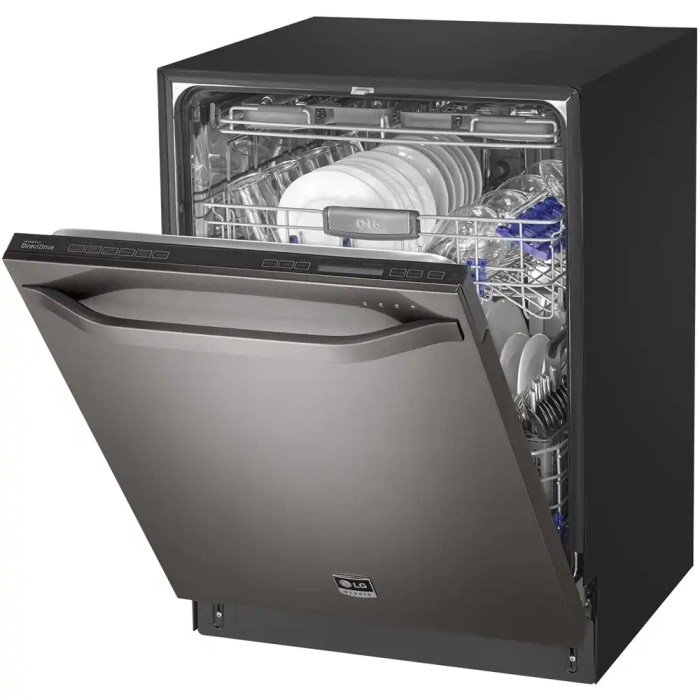
A clean dishwasher isn’t just about sparkling dishes; it’s fundamental to the appliance’s efficiency and lifespan. Regular maintenance prevents the buildup of food particles, mineral deposits, and other debris that can hinder performance and lead to costly repairs. Neglecting this crucial aspect can result in a dishwasher that struggles to clean effectively, consumes more energy, and ultimately fails prematurely. This guide explores the benefits of a well-maintained dishwasher and the potential consequences of neglecting it.
Benefits of a Clean Dishwasher
A regularly maintained dishwasher offers several advantages, directly impacting its performance and your overall experience. These benefits extend beyond just clean dishes, contributing to the longevity and efficiency of the appliance.
Improved cleaning efficiency is a primary advantage. A clean dishwasher operates at its peak performance, ensuring dishes are thoroughly cleaned and sanitized. This is because the spray arms, filters, and other components are free from obstructions, allowing water and detergent to circulate effectively. This translates to fewer instances of re-washing dishes and a significant reduction in the amount of detergent needed. Furthermore, a clean dishwasher helps to eliminate odors and prevent the buildup of bacteria, leading to a more hygienic environment.
Reduced risk of appliance malfunctions is another significant benefit. Regular maintenance helps to identify and address potential problems before they escalate into major repairs. For example, cleaning the spray arms and removing any blockages can prevent damage to the pump. Similarly, descaling the dishwasher can prevent mineral buildup that can damage heating elements and other critical components. By taking proactive measures, you can extend the life of your dishwasher and avoid the inconvenience and expense of unexpected breakdowns.
Potential Problems from Neglecting Dishwasher Maintenance
Failing to maintain your dishwasher can lead to a cascade of problems, significantly impacting its functionality and potentially leading to costly repairs or even replacement. These issues can arise gradually, making it crucial to be vigilant about regular cleaning and maintenance.
Here are some potential problems that can arise from neglecting dishwasher maintenance:
- Reduced Cleaning Performance: Clogged spray arms and filters can restrict water flow, resulting in dishes that are not properly cleaned. This can lead to streaks, food residue, and a general lack of cleanliness.
- Unpleasant Odors: The accumulation of food particles and bacteria can cause foul smells within the dishwasher. This can contaminate dishes and create an unsanitary environment.
- Mineral Deposit Buildup: Hard water can lead to the buildup of mineral deposits on heating elements, spray arms, and other components. This can reduce the efficiency of the dishwasher and potentially lead to malfunctions.
- Clogged Drains: Food particles and debris can accumulate in the drain, leading to clogs and preventing the dishwasher from draining properly. This can cause water to back up and potentially damage the appliance.
- Pump Failure: Obstructions in the spray arms or drain can put extra strain on the pump, potentially leading to its failure. This is a costly repair.
- Heating Element Failure: Mineral deposits can insulate the heating element, causing it to overheat and fail. This can result in dishes that are not properly sanitized.
- Reduced Lifespan: Neglecting maintenance can accelerate the wear and tear on dishwasher components, shortening its overall lifespan. This can lead to the need for premature replacement.
Cleaning Frequency for Dishwasher Components
Regularly cleaning different dishwasher components is crucial for maintaining optimal performance. The frequency of cleaning varies depending on the component and usage. A consistent cleaning schedule can prevent the buildup of debris and mineral deposits, ensuring your dishwasher functions efficiently and lasts longer.
| Component | Cleaning Frequency | Notes |
|---|---|---|
| Filter | Weekly or as needed | Remove and rinse the filter to remove food particles and debris. |
| Spray Arms | Monthly | Remove the spray arms and rinse them to remove any blockages. Check the holes for clogs. |
| Interior | Monthly | Wipe down the interior of the dishwasher to remove food particles and other debris. |
| Exterior | As needed | Wipe down the exterior surfaces of the dishwasher to keep it clean. |
| Dishwasher Tub | Every 1-3 months | Run a dishwasher cleaner through the empty dishwasher. This helps remove mineral deposits and other buildup. |
Identifying the essential supplies and tools required for effective dishwasher cleaning is the first step.

Maintaining a sparkling clean dishwasher is not just about aesthetics; it’s crucial for ensuring your dishes are sanitized and your appliance functions efficiently. Gathering the right supplies and tools is the foundation of a successful cleaning regimen. This ensures you can tackle grime, grease, and mineral buildup effectively, extending the lifespan of your dishwasher and promoting optimal performance.
Cleaning Agents: The Powerhouse of Dishwasher Hygiene
Effective dishwasher cleaning hinges on the selection and proper use of cleaning agents. Different agents target different types of residue, and understanding their strengths allows for a comprehensive cleaning approach.
Dishwasher cleaner, specifically formulated for the task, is a potent weapon against stubborn deposits. These cleaners often contain enzymes or surfactants designed to break down food particles, grease, and soap scum that accumulate inside the dishwasher. Their advantage lies in their concentrated formula, allowing them to penetrate hard-to-reach areas and dissolve buildup effectively. Some cleaners also contain descaling agents to combat mineral deposits from hard water. Following the manufacturer’s instructions is crucial to ensure safe and effective use.
Vinegar, a readily available household staple, serves as a natural and cost-effective cleaning agent. Its acidic nature is highly effective at dissolving mineral deposits, particularly limescale, that can clog spray arms and reduce the dishwasher’s cleaning efficiency. A simple method involves placing a cup of white vinegar on the top rack and running a hot water cycle. This process helps to remove mineral buildup and deodorize the dishwasher. The main advantage of vinegar is its gentleness, making it safe for use on most dishwasher components.
Baking soda, another household hero, acts as a mild abrasive and deodorizer. Its slightly alkaline nature helps to neutralize odors and absorb lingering smells. Sprinkle a cup of baking soda in the bottom of the dishwasher and run a short cycle. This helps to freshen the appliance and absorb any lingering food odors. Baking soda’s advantage lies in its gentle cleaning action, making it suitable for regular maintenance.
Tools of the Trade: Precision Cleaning Instruments
Beyond cleaning agents, the right tools are essential for reaching every nook and cranny of your dishwasher. These tools provide the mechanical action necessary to remove loose debris and ensure a thorough clean.
A scrub brush, with its stiff bristles, is invaluable for scrubbing away stubborn food particles and grease buildup. A brush with an angled head can be particularly helpful for reaching corners and crevices. Use the scrub brush to clean the door seals, around the filter, and any other areas where debris tends to accumulate.
A toothbrush, especially an old one, is ideal for detailed cleaning in tight spaces. Its small size and precise bristles allow you to reach areas that a larger brush cannot, such as the spray arm nozzles and the crevices around the door latch. The toothbrush’s ability to provide targeted cleaning makes it an essential tool for removing any residual buildup in those hard-to-reach areas.
A microfiber cloth is perfect for wiping down surfaces and absorbing moisture. Its soft texture is gentle on the dishwasher’s interior while effectively removing streaks and residue. Use the microfiber cloth to wipe down the exterior of the dishwasher, the control panel, and the interior after cleaning.
Alternative Cleaning Agents: Exploring the Options
While the aforementioned cleaning agents are highly effective, alternative options can be considered. However, it’s important to weigh their pros and cons carefully.
* Citric Acid: Citric acid, like vinegar, is effective at dissolving mineral deposits. It can be used in a similar manner to vinegar, but its concentration should be carefully monitored to avoid damaging dishwasher components.
* Pros: Strong descaling properties, readily available.
* Cons: Can be corrosive if used in excessive concentrations.
* Lemon Juice: Fresh lemon juice, due to its citric acid content, can act as a natural cleaning agent and deodorizer.
* Pros: Pleasant scent, environmentally friendly.
* Cons: Less potent than concentrated citric acid or vinegar.
* Borax: Borax is a mineral-based cleaner that can help to remove stains and deodorize.
* Pros: Effective stain removal, deodorizing properties.
* Cons: Can be harsh on some surfaces, use with caution.
* Dish Soap: While dish soap can be used in a pinch, it can also cause excessive suds and potentially leave residue.
* Pros: Readily available.
* Cons: Can lead to oversudsing and residue buildup if not used sparingly.
Remember to always test any alternative cleaning agent in an inconspicuous area of your dishwasher before applying it to the entire appliance to avoid any potential damage.
The procedure for cleaning the dishwasher’s interior is a fundamental aspect of the cleaning process.
Maintaining a clean dishwasher interior is essential for ensuring your dishes are thoroughly cleaned and sanitized. Over time, food particles, soap scum, and mineral deposits can accumulate, leading to reduced cleaning performance and potentially harboring bacteria. Regular cleaning of the dishwasher’s interior helps to eliminate these issues, keeping your appliance running efficiently and your dishes sparkling.
Cleaning the dishwasher interior involves a series of straightforward steps that, when performed regularly, can significantly extend the lifespan of your appliance and improve its overall performance. This process ensures that all parts of the dishwasher are cleaned, from the hidden crevices to the visible surfaces, leaving it fresh and ready for the next load.
Removing Food Particles and Debris
Food particles are the primary source of residue and odors in a dishwasher. These remnants of meals can clog the drain, affect cleaning performance, and foster the growth of bacteria. Regular removal of these particles is the first and most critical step in maintaining a clean dishwasher.
- Inspect and Remove Large Debris: Begin by inspecting the dishwasher’s interior, including the bottom, the racks, and the filter. Remove any visible food particles, such as bones, seeds, or large chunks of food. Use a soft brush or a sponge to dislodge any stuck-on debris.
- Clean the Filter: The filter is designed to catch larger food particles, preventing them from clogging the drain and spray arms. Locate the filter, typically found at the bottom of the dishwasher. Remove the filter and rinse it under running water to remove any trapped debris. Use a brush to scrub away stubborn residue. Reinstall the filter securely after cleaning.
- Examine the Drain: Check the drain area for any remaining food particles or blockages. Use a small brush or a toothpick to clear away any obstructions. Ensure the drain is completely clear to allow for proper water drainage during the wash cycle.
Cleaning the Spray Arms
The spray arms are responsible for distributing water and detergent throughout the dishwasher, ensuring that all dishes are thoroughly cleaned. Clogged spray arms can significantly reduce cleaning effectiveness. Cleaning them regularly is vital for maintaining optimal performance.
- Remove the Spray Arms: Carefully remove the spray arms from the dishwasher. Most spray arms can be removed by twisting or unscrewing them. Consult your dishwasher’s manual for specific instructions on how to remove the spray arms safely.
- Clean the Spray Arm Holes: Inspect the spray arm holes for any clogs caused by food particles or mineral deposits. Use a toothpick or a thin wire to clear out any blockages. Rinse the spray arms under running water to remove any remaining debris.
- Reinstall the Spray Arms: Once the spray arms are clean, reinstall them securely, ensuring they are properly aligned and can rotate freely. Make sure they are correctly positioned to facilitate water distribution throughout the dishwasher.
Wiping Down the Door Seals
The door seals create a watertight barrier, preventing water from leaking during the wash cycle. Over time, these seals can accumulate soap scum, food particles, and mildew, which can compromise their effectiveness. Cleaning the door seals ensures a tight seal, preventing leaks and maintaining hygiene.
- Inspect the Door Seals: Carefully examine the door seals for any visible dirt, mildew, or soap scum. Look for any cracks or damage that might affect their ability to seal properly.
- Clean the Door Seals: Use a damp cloth or sponge and a mild detergent solution to wipe down the door seals. Pay close attention to any areas where dirt or residue has accumulated. For stubborn stains, you can use a solution of white vinegar and water.
- Dry the Door Seals: After cleaning, thoroughly dry the door seals with a clean cloth. This will help prevent the growth of mildew and maintain the integrity of the seals.
Addressing Stubborn Stains and Residue
Stubborn stains and residue may require additional cleaning methods to remove effectively. Depending on the type of stain or residue, various solutions can be used.
- Use Vinegar: White vinegar is a natural cleaning agent that can effectively remove mineral deposits and soap scum. Place a cup of white vinegar in the top rack of the empty dishwasher and run a hot water cycle. The vinegar will help dissolve any buildup and deodorize the dishwasher.
- Employ Baking Soda: Baking soda is another effective cleaning agent that can help remove odors and loosen stubborn stains. Sprinkle a cup of baking soda on the bottom of the dishwasher and run a short cycle. This will help neutralize odors and clean the interior.
- Utilize Dishwasher Cleaners: Commercial dishwasher cleaners are specifically designed to remove stubborn stains and residue. Follow the manufacturer’s instructions for use. These cleaners often contain powerful detergents and descalers that can effectively clean the dishwasher interior.
Cleaning the dishwasher filter and drain is a crucial but often overlooked task.
Regular dishwasher maintenance is incomplete without addressing the filter and drain. These components play a pivotal role in ensuring efficient operation and preventing potential damage to your appliance. Neglecting these areas can lead to a host of problems, from poor cleaning performance to costly repairs. Understanding their function and how to properly maintain them is essential for maximizing the lifespan of your dishwasher.
Importance of Cleaning the Dishwasher Filter and Drain
The dishwasher filter and drain are integral to the appliance’s functionality. They work in tandem to remove food particles, grease, and other debris that can accumulate during the wash cycle. The filter, typically located at the bottom of the dishwasher, traps larger particles, preventing them from recirculating and potentially clogging the spray arms or damaging the pump. The drain, on the other hand, removes the water containing smaller particles and dissolved grease, ensuring the wash water is as clean as possible for the next cycle.
Failing to clean these components regularly can have several negative consequences. A clogged filter will reduce the effectiveness of the cleaning process, leaving dishes with food residue and streaks. A blocked drain will prevent the dishwasher from draining properly, leading to standing water, which can breed bacteria and cause unpleasant odors. Furthermore, the buildup of debris can strain the pump motor, potentially leading to premature failure and costly repairs. The accumulation of food particles and grease can also contribute to the formation of clogs in other parts of the dishwasher, further compounding the problem.
Procedure for Cleaning the Dishwasher Filter and Drain
Cleaning the filter and drain is a straightforward process that can be easily incorporated into your regular dishwasher maintenance routine. Here’s a step-by-step guide:
- Locate and Access the Filter: The filter is usually found at the bottom of the dishwasher, often in the center or towards the back. Refer to your dishwasher’s manual for the exact location and removal instructions, as designs vary. Typically, it involves twisting or lifting the filter assembly.
- Remove the Filter Assembly: Carefully remove the filter assembly. It may consist of multiple parts, such as a coarse filter, a fine filter, and sometimes a separate screen. Be prepared to catch any loose debris that may fall out.
- Rinse the Filter: Rinse the filter assembly under warm running water. Use a soft brush, such as an old toothbrush, to scrub away any food particles or debris. Pay particular attention to the mesh or screen areas, where food often gets trapped.
- Clean the Drain Area: Examine the drain area, which is usually located beneath the filter. Use a small brush or a paper towel to remove any debris that has accumulated. You may also find a small food chopper in this area, which needs to be cleaned as well.
- Inspect the Drain Hose (Optional): If you suspect a more significant clog, you may want to inspect the drain hose. Disconnect the hose from the dishwasher and check for any blockages. Use a straightened wire hanger or a specialized drain snake to remove any obstructions.
- Reassemble and Reinstall: Once all components are cleaned, reassemble the filter assembly and reinstall it in the dishwasher. Ensure it is securely in place, according to the manufacturer’s instructions.
Illustration of a typical dishwasher filter assembly: Imagine a circular or rectangular component, typically made of plastic, with a mesh or screen-like surface. The mesh traps food particles. This component often has a handle or tabs for easy removal. Inside the filter housing, you might see several layers or compartments to trap larger and smaller particles. This illustration should depict a clean filter, free of debris, to serve as a guide for what you are aiming for.
Signs of a Clogged Filter or Drain and Troubleshooting
Recognizing the signs of a clogged filter or drain can help you address the issue promptly, preventing more serious problems. Common indicators include:
- Poor Cleaning Performance: Dishes may come out with food residue, streaks, or spots, even after a full wash cycle.
- Standing Water: Water may remain in the bottom of the dishwasher after the wash cycle is complete.
- Unpleasant Odors: A foul smell may emanate from the dishwasher, often caused by decaying food particles.
- Unusual Noises: The dishwasher pump may make gurgling or grinding noises as it struggles to drain.
If you notice any of these signs, troubleshooting is necessary.
- Check the Filter: The first step is to remove and inspect the filter for any blockages. Clean it thoroughly, following the procedure Artikeld above.
- Inspect the Drain: Examine the drain area for any visible obstructions. Remove any debris you find.
- Check the Drain Hose: If the problem persists, check the drain hose for clogs. Disconnect the hose and flush it with water.
- Run a Cleaning Cycle: After cleaning the filter and drain, run an empty wash cycle with a dishwasher cleaner to help remove any remaining buildup.
- Professional Assistance: If the problem persists after these steps, it may indicate a more serious issue, such as a faulty pump or a clog deeper within the drain line. In this case, it’s best to contact a qualified appliance repair technician.
Regular maintenance, including cleaning the filter and drain, is a key factor in extending the life of your dishwasher and ensuring optimal performance.
Proper care of the dishwasher’s spray arms is vital for even water distribution and effective cleaning.
Maintaining the dishwasher’s spray arms is a critical aspect of ensuring its optimal performance. These rotating arms are responsible for distributing water throughout the appliance, ensuring all dishes receive adequate cleaning. Neglecting their care can lead to a significant decline in cleaning effectiveness and potentially cause damage to the dishwasher itself. Regular inspection and cleaning of the spray arms are therefore essential for maintaining a clean and efficient kitchen appliance.
Cleaning the Spray Arms: A Step-by-Step Guide
Cleaning the spray arms is a straightforward process that can significantly improve the dishwasher’s cleaning performance. The steps involved are generally consistent, although some variations may exist depending on the specific model and design of the dishwasher.
First, the spray arms must be removed. This typically involves a simple twist-and-pull motion, though some models may have clips or locking mechanisms that need to be disengaged. Consult your dishwasher’s manual for specific instructions. Once removed, inspect the arms for any visible blockages, such as food particles or mineral deposits. These obstructions can impede water flow, leading to poor cleaning results.
Next, the spray arm’s holes need to be cleared. Use a toothpick, a thin wire, or a dedicated spray arm cleaning tool to dislodge any debris. Avoid using sharp objects that could damage the plastic. Rinse the spray arms thoroughly under running water to remove any loosened particles. For more stubborn blockages, soak the spray arms in a solution of warm water and vinegar for about 30 minutes. This can help to dissolve mineral deposits.
After cleaning, reassemble the spray arms, ensuring they are securely in place. Test the dishwasher by running a short cycle to confirm that the spray arms are rotating freely and that water is flowing properly through all the holes. The presence of strong, even water streams indicates successful cleaning. Remember, regularly cleaning the spray arms helps ensure that your dishes are cleaned effectively.
Comparing Cleaning Methods for Different Spray Arm Types
Different dishwasher models may utilize different types of spray arms, each with its own specific cleaning considerations. Here’s a comparative overview:
| Spray Arm Type | Cleaning Method | Special Considerations |
|---|---|---|
| Standard Plastic Arms | Remove, inspect, clear holes with toothpick or wire, rinse. | Most common type; prone to clogging due to food debris. |
| Metal Spray Arms | Similar to plastic arms; may withstand more aggressive cleaning methods. | Less susceptible to damage, but mineral deposits can still build up. |
| Multi-Directional Arms | May require disassembly of multiple parts; follow manufacturer’s instructions carefully. | More complex design; ensure all parts are reassembled correctly. |
Consequences of Neglecting Spray Arms
Failing to maintain the dishwasher’s spray arms can lead to a number of undesirable consequences, impacting both the appliance’s performance and its longevity.
One of the most immediate effects is a reduction in cleaning performance. Blocked spray arm holes will prevent water from reaching all areas of the dishwasher, leaving dishes dirty or spotted. This can be especially noticeable with items placed in the upper rack, as they may receive less direct water pressure. In severe cases, the dishwasher may fail to clean dishes entirely, requiring repeated cycles and wasting water and energy.
Furthermore, neglecting the spray arms can contribute to appliance damage. The buildup of debris can restrict water flow, causing the pump to work harder and potentially leading to premature wear and tear. Over time, this can lead to costly repairs or even the need to replace the dishwasher. Additionally, blocked spray arms can promote the growth of bacteria and mold within the dishwasher, leading to unpleasant odors and potential health concerns. Regularly maintaining the spray arms is therefore a proactive measure to protect your investment and ensure a clean and hygienic kitchen environment.
Addressing hard water buildup in the dishwasher can significantly impact its performance.
Hard water, rich in dissolved minerals like calcium and magnesium, poses a significant threat to the efficiency and lifespan of your dishwasher. Over time, these minerals accumulate, leading to a range of problems that diminish cleaning performance and can ultimately cause costly repairs. Understanding the effects of hard water and how to mitigate its impact is essential for maintaining a sparkling clean dishwasher and ensuring your dishes come out spotless.
Hard Water’s Detrimental Effects on Dishwashers
Hard water affects dishwashers in several ways, often leading to a noticeable decline in performance. The primary culprit is the formation of limescale, a chalky white or light-colored deposit that builds up on heating elements, spray arms, and other internal components. This buildup acts as an insulator, reducing the efficiency of the heating element, which requires more energy to heat the water. The limescale can also clog spray arms, hindering water distribution and leading to poorly cleaned dishes. Furthermore, mineral deposits can corrode internal parts, potentially causing leaks and premature failure of the appliance.
Limescale formation occurs when hard water is heated. As the water temperature rises, the solubility of calcium and magnesium carbonate decreases, causing these minerals to precipitate out of solution and form solid deposits. This process is accelerated in the high-heat environment of a dishwasher. The spray arms, designed to deliver water at high pressure, become blocked by limescale, reducing the water flow and impacting the dishwasher’s ability to thoroughly clean dishes. The heating element, often made of stainless steel, is particularly susceptible to limescale buildup, which reduces its ability to transfer heat efficiently. Over time, this buildup can lead to a significant increase in energy consumption and a decrease in the dishwasher’s cleaning effectiveness. Additionally, limescale can also trap food particles and bacteria, creating an unsanitary environment within the appliance. The seals and gaskets within the dishwasher can also be damaged by hard water deposits, leading to leaks.
Removing Hard Water Deposits
Removing hard water deposits is crucial for restoring your dishwasher’s performance. The most common and effective methods involve using either white vinegar or specialized descaling products.
Here’s a step-by-step guide for using white vinegar:
- Preparation: Ensure the dishwasher is empty of dishes and any removable components like the filter and spray arms have been cleaned separately.
- Vinegar Application: Place a dishwasher-safe cup or bowl filled with approximately one to two cups of white vinegar on the top rack of the empty dishwasher.
- Cycle Selection: Run the dishwasher on its hottest cycle. Avoid using the heated drying option, as this can sometimes exacerbate limescale buildup if the vinegar is not fully rinsed.
- Inspection: Once the cycle is complete, open the dishwasher and inspect the interior. You may need to repeat the process for heavily scaled dishwashers.
- Additional Cleaning (Optional): If some limescale remains, you can manually scrub the affected areas with a sponge or brush dipped in vinegar.
Specialized descaling products are also available, following the manufacturer’s instructions is crucial. These products typically contain citric acid or other chemicals designed to dissolve mineral deposits.
Water Softening Solutions to Prevent Hard Water Problems
Preventing hard water problems is often more effective than treating them. Several water softening solutions are available, each with varying degrees of effectiveness and cost.
- Whole-House Water Softeners: These systems are installed at the point where water enters your home, treating all water used throughout the house, including the dishwasher. They typically use an ion exchange process to remove calcium and magnesium ions, replacing them with sodium ions. This is generally considered the most effective solution for preventing hard water problems. The upfront cost can be significant, but the long-term benefits include protecting all water-using appliances and plumbing fixtures.
- Dishwasher-Specific Water Softeners: Some dishwashers have built-in water softeners that require the addition of dishwasher salt. These are effective for softening the water used in the dishwasher but do not address hard water issues in the rest of the house. They can be a good option if you are only concerned about the dishwasher.
- Water Softening Pitchers or Filters: These pitchers and filters use activated carbon and ion exchange resins to remove minerals. They are primarily designed for drinking water and are not suitable for softening the water supply to the dishwasher.
The effectiveness of each solution varies. Whole-house water softeners are the most effective but also the most expensive. Dishwasher-specific softeners provide targeted protection, while water softening pitchers or filters are not a viable solution for the dishwasher. Consider your budget, the severity of your hard water problem, and the overall water usage in your home when choosing a water softening solution.
Maintaining the exterior of the dishwasher contributes to its overall aesthetic appeal and longevity.
Proper care of your dishwasher’s exterior is not only about aesthetics; it’s also a practical step in extending its lifespan. Regular cleaning prevents the buildup of grime, water spots, and other deposits that can degrade the finish and potentially lead to corrosion. A clean exterior reflects a well-maintained appliance and contributes to the overall cleanliness of your kitchen.
Cleaning the Dishwasher Exterior: Control Panel, Door, and Handles
The exterior of your dishwasher requires regular cleaning to maintain its appearance and prevent damage. This includes the control panel, the door, and the handles, each of which has specific cleaning requirements. Failing to clean these areas can lead to a build-up of residue, impacting both the look and functionality of the appliance.
Here’s how to properly clean each area:
- Control Panel: The control panel, often housing digital displays and buttons, is prone to fingerprints and splashes. The best method involves a gentle touch.
- First, unplug the dishwasher or switch off the circuit breaker to ensure safety.
- Lightly dampen a soft microfiber cloth with a solution of mild dish soap and warm water.
- Gently wipe the control panel, avoiding excessive moisture that could seep into electronic components.
- Immediately dry the panel with a clean, dry microfiber cloth to prevent water spots.
- Avoid using abrasive cleaners, which can scratch the panel’s surface and damage the lettering.
- Door: The dishwasher door, being a large surface area, is susceptible to spills, splatters, and water marks. Its cleaning requires a different approach depending on the door’s material.
- For stainless steel doors, use a stainless steel cleaner and a microfiber cloth, wiping in the direction of the grain.
- For plastic or painted doors, use the same mild dish soap solution as for the control panel.
- Rinse the cloth frequently and wipe the door clean, removing any soap residue.
- Dry thoroughly with a clean cloth.
- Handles: Dishwasher handles are frequently touched, making them a hotspot for fingerprints and bacteria. Regular cleaning is essential for hygiene.
- Use the mild dish soap solution to clean the handles.
- Pay close attention to crevices where dirt and grime can accumulate.
- Wipe down the handles thoroughly and dry them completely.
Materials and Cleaning Agents for Dishwasher Exteriors:
The type of cleaning agent depends on the dishwasher’s exterior material.
- Stainless Steel: Use stainless steel cleaner or a mixture of water and vinegar. Wipe in the direction of the grain to avoid streaks.
- Plastic: Use a mild dish soap solution. Avoid harsh chemicals that can discolor the plastic.
- Painted Surfaces: Use a mild dish soap solution or a specialized appliance cleaner. Test the cleaner in an inconspicuous area first.
To prevent scratches or damage, always use soft microfiber cloths. Avoid abrasive pads, steel wool, or harsh chemicals. When applying cleaning solutions, spray the cloth, not the appliance directly, to minimize the risk of moisture entering the machine. Regularly inspect the exterior for any signs of damage, such as rust or dents, and address them promptly to prevent further deterioration.
Regular use of dishwasher cleaning products enhances the effectiveness of cleaning efforts.
Regularly incorporating specialized cleaning products into your dishwasher maintenance routine significantly boosts its cleaning performance and prolongs its lifespan. These products are formulated to tackle the unique challenges dishwashers face, from stubborn food residue to mineral buildup, ensuring your dishes come out sparkling clean and your appliance operates efficiently. Utilizing these products is a proactive step in preserving your dishwasher’s functionality and preventing costly repairs.
Benefits of Using Dishwasher Cleaning Products
Dishwasher cleaning products play a vital role in maintaining a hygienic and efficient appliance. They are specifically designed to address issues that regular dish soap alone cannot always resolve. These products break down and remove grease, grime, and other residues that accumulate over time, ensuring optimal cleaning performance.
Dishwasher cleaners contain powerful formulas that effectively combat various types of buildup. They dissolve and eliminate stubborn food particles that cling to the dishwasher’s interior surfaces, preventing them from recirculating and potentially redepositing on dishes. They also target and remove grease and oil deposits left behind by food preparation, which can hinder the effectiveness of detergents and create unpleasant odors. Furthermore, cleaning products help to remove mineral deposits, particularly hard water stains, that can clog spray arms and reduce water flow, leading to diminished cleaning power.
The consistent use of dishwasher cleaning products extends beyond just cleaning performance; it also contributes to the longevity of the appliance. By preventing the buildup of debris and mineral deposits, these products reduce the strain on internal components, such as the heating element and pump. This, in turn, can prevent premature wear and tear, extending the life of your dishwasher and potentially saving you money on repair or replacement costs. Moreover, regular cleaning helps maintain the appliance’s efficiency, reducing energy consumption and minimizing environmental impact. Consider this: a study by the Association of Home Appliance Manufacturers (AHAM) found that dishwashers cleaned with specialized cleaners consistently used less energy compared to those cleaned only with regular detergent, demonstrating the tangible benefits of these products.
Different Types of Dishwasher Cleaning Products
A variety of dishwasher cleaning products are available, each with specific formulations and benefits. Understanding the different types allows you to select the most suitable product for your needs.
- Dishwasher Cleaners: These are generally designed for deep cleaning and are used periodically, such as once a month or as needed. They typically contain powerful degreasers and descalers to remove built-up grime, grease, and mineral deposits. Some cleaners come in tablet or liquid form, and the method of application varies. For example, some tablets are placed in the detergent dispenser, while liquid cleaners may be poured into the bottom of the empty dishwasher.
- Dishwasher Detergents: While detergents are essential for everyday dishwashing, some specialized detergents are formulated to enhance cleaning power and address specific issues. They often contain enzymes to break down food particles and surfactants to lift away grease and grime. Available in various forms, including powder, liquid, and tablets, these detergents are designed to be used with each wash cycle.
- Dishwasher Fresheners: These products are designed to combat odors and maintain a fresh-smelling dishwasher. They often contain deodorizers and fragrance agents. Fresheners can be placed in the dishwasher and released gradually over time, such as during each wash cycle.
- Rinse Aids: While not strictly cleaning products, rinse aids are crucial for achieving spotless dishes. They reduce water spots and film buildup by promoting water sheeting, preventing droplets from clinging to dishes. Rinse aids are dispensed automatically during the rinse cycle. They contain surfactants that lower the water’s surface tension.
- Descalers: These products are formulated to remove mineral deposits, such as calcium and magnesium, that accumulate from hard water. They are especially beneficial in areas with hard water and help to maintain the efficiency of the dishwasher’s heating element and spray arms. Descalers are often used periodically to prevent the buildup of mineral deposits.
Tips for Choosing the Right Dishwasher Cleaning Products
Selecting the appropriate dishwasher cleaning products involves considering your specific needs and the characteristics of your dishwasher and water supply. Following these tips will help you make informed choices.
- Assess Your Needs: Evaluate the cleaning challenges you face. If you frequently encounter hard water stains, a descaler might be a priority. If odor is a concern, a dishwasher freshener would be beneficial.
- Consider Water Hardness: The hardness of your water significantly impacts product selection. In areas with hard water, use products specifically designed to combat mineral buildup, such as descalers and detergents with water-softening agents.
- Read Product Labels: Carefully review the product labels to understand the ingredients and intended use. Look for products that are compatible with your dishwasher’s type (e.g., stainless steel interior) and features.
- Choose Eco-Friendly Options: If environmental concerns are a priority, opt for eco-friendly products that are biodegradable and free of harsh chemicals. Look for certifications from organizations such as the Environmental Protection Agency (EPA).
- Follow Instructions: Always adhere to the manufacturer’s instructions for use. Overusing cleaning products can be counterproductive, potentially leaving residue or damaging your dishwasher.
- Consider the Form: Dishwasher cleaning products come in various forms, including tablets, liquids, and powders. Select the form that best suits your preferences and dishwasher’s design. Tablets offer convenience, while liquids and powders may allow for more precise dosage control.
- Check for Compatibility: Ensure the product is compatible with your dishwasher’s material and features. Some products may not be suitable for specific types of finishes or internal components.
Troubleshooting common dishwasher issues can help in resolving problems quickly and efficiently.
Regular dishwasher maintenance, while crucial, doesn’t always prevent issues from arising. Understanding how to troubleshoot common problems is essential for keeping your dishwasher running smoothly and extending its lifespan. Addressing issues promptly can prevent minor problems from escalating into costly repairs or premature appliance replacement. This section provides a practical guide to diagnosing and resolving typical dishwasher malfunctions.
Poor Cleaning Performance
One of the most frustrating dishwasher problems is dishes not coming clean. This can manifest as food residue, streaks, spots, or cloudy glassware. Several factors can contribute to poor cleaning, requiring systematic investigation.
- Clogged Spray Arms: The spray arms are responsible for distributing water and detergent throughout the dishwasher. Clogs can prevent proper water flow, leading to inadequate cleaning.
- Cause: Food particles, hard water deposits, or detergent buildup can obstruct the spray arm nozzles.
- Solution: Remove the spray arms (consult your dishwasher’s manual for specific instructions). Rinse them under running water, using a toothpick or small brush to clear any blockages. For stubborn deposits, soak the spray arms in a solution of vinegar and water.
- Improper Loading: Overloading the dishwasher or improperly arranging dishes can block water spray and prevent effective cleaning.
- Cause: Dishes can nest together, preventing water from reaching all surfaces. Large items can obstruct the spray arms.
- Solution: Follow the manufacturer’s guidelines for loading. Ensure dishes are facing the spray arms and that no items are blocking the water flow. Avoid overcrowding the racks. Consider placing larger items, such as pots and pans, in the lower rack and smaller items, such as glasses and cups, in the upper rack.
- Low Water Temperature: The dishwasher needs hot water to effectively dissolve detergent and clean dishes.
- Cause: The water heater may not be set to the correct temperature, or there may be a problem with the dishwasher’s heating element.
- Solution: Check the water heater setting and ensure it’s at least 120°F (49°C). Run the hot water in the sink before starting the dishwasher to ensure hot water is available. If the problem persists, the dishwasher’s heating element may need to be replaced.
- Incorrect Detergent Usage: Using the wrong type or amount of detergent can also affect cleaning performance.
- Cause: Using too little detergent may not be enough to clean the dishes effectively. Using too much can leave residue. Using the wrong type of detergent (e.g., using dish soap instead of dishwasher detergent) can also cause problems.
- Solution: Use the recommended amount of detergent as specified by the detergent manufacturer and your dishwasher’s manual. Ensure you are using a detergent specifically designed for dishwashers. Consider switching to a different detergent if you consistently experience poor cleaning.
Water Leaks
Water leaks can cause significant damage to your kitchen and indicate a serious problem with your dishwasher. Identifying the source of the leak is crucial for preventing further damage.
- Door Seal Issues: A damaged or worn-out door seal can prevent a watertight seal, leading to leaks.
- Cause: The door seal can deteriorate over time due to wear and tear, or it may become damaged by sharp objects.
- Solution: Inspect the door seal for cracks, tears, or debris. Clean the seal regularly. If the seal is damaged, replace it. Replacement seals are typically available from appliance parts stores or online retailers.
- Loose Connections: Water lines and drain hoses can become loose over time, causing leaks.
- Cause: Vibrations from the dishwasher during operation can loosen connections.
- Solution: Check the water supply lines and drain hose for leaks. Tighten any loose connections. Ensure the drain hose is properly connected to the garbage disposal or drainpipe.
- Overflow Issues: If the dishwasher is overfilling, water can leak out.
- Cause: A faulty float switch or water inlet valve can cause the dishwasher to overfill.
- Solution: Check the float switch to ensure it is not stuck. If the dishwasher continues to overfill, the water inlet valve may need to be replaced.
Unusual Noises
Unusual noises can indicate a mechanical problem or a buildup of debris within the dishwasher. Addressing these noises promptly can prevent further damage.
- Grinding or Scraping Sounds: These sounds often indicate a problem with the dishwasher’s pump or motor.
- Cause: Food particles or debris can get into the pump or motor, causing grinding or scraping sounds. The motor bearings may also be worn.
- Solution: Remove and clean the filter and drain. If the noise persists, the pump or motor may need to be replaced.
- Loud Humming or Buzzing: This can indicate a problem with the water inlet valve or the drain pump.
- Cause: The water inlet valve may be malfunctioning, or the drain pump may be clogged or failing.
- Solution: Check the water inlet valve and drain pump for obstructions. If the noise continues, the valve or pump may need to be replaced.
- Clanking or Rattling: This may be caused by dishes or utensils rattling against each other or the dishwasher’s interior.
- Cause: Improper loading or loose components.
- Solution: Ensure dishes are loaded properly and that no items are loose. Check the spray arms to make sure they are securely in place.
Preventing Common Dishwasher Problems
Proactive measures can significantly reduce the likelihood of encountering common dishwasher issues.
- Regular Cleaning: Regularly clean the dishwasher’s filter, spray arms, and interior to prevent clogs and buildup.
- Proper Loading: Load dishes properly, following the manufacturer’s guidelines, to ensure effective cleaning and prevent damage.
- Use the Correct Detergent: Use the recommended type and amount of detergent.
- Address Hard Water: If you have hard water, consider using a water softener or adding a dishwasher cleaner designed to combat hard water buildup.
- Inspect and Maintain: Regularly inspect the door seal, water lines, and drain hose for any signs of wear or damage. Replace worn components as needed.
The impact of the dishwasher’s location on its maintenance is a consideration for optimal performance.
The placement of a dishwasher within a kitchen is not merely a matter of convenience; it significantly influences the appliance’s functionality, longevity, and the ease with which it can be maintained. Factors such as proximity to water lines, electrical outlets, and ventilation systems play critical roles in determining the dishwasher’s overall performance and the frequency with which maintenance tasks are required. A well-considered location minimizes potential problems, ensuring the appliance operates efficiently and effectively for an extended period. Conversely, a poorly chosen spot can lead to premature wear, increased maintenance needs, and even reduced cleaning effectiveness.
Location-Based Effects on Dishwasher Performance
The location of a dishwasher directly impacts its performance and the types of maintenance required. For example, a dishwasher installed near a sink with hard water can be more susceptible to mineral buildup, necessitating more frequent descaling. Similarly, a location with poor ventilation can trap moisture, promoting mold and mildew growth within the appliance, which requires more intensive cleaning. The proximity to the electrical panel affects the ease of access for repairs and safety inspections. Consider that the location impacts the flow of water and electricity.
- Water Supply Proximity: Dishwashers located far from the water supply may experience reduced water pressure, affecting cleaning performance. This can also lead to increased strain on the water inlet valve, potentially causing premature failure and water leaks. Close proximity to the water supply simplifies plumbing connections, reducing the risk of leaks and making repairs more accessible.
- Electrical Outlet Access: The location must be near an appropriately rated electrical outlet. This eliminates the need for extension cords, which are a fire hazard and can lead to voltage drops, impacting the dishwasher’s performance. Proper electrical connections are crucial for safety and efficient operation.
- Ventilation Considerations: Dishwashers generate heat and moisture during operation. Adequate ventilation prevents the buildup of humidity, which can promote mold and mildew growth. Poor ventilation can also cause the surrounding cabinetry to warp or deteriorate over time.
- Accessibility for Maintenance: Easy access to the dishwasher for repairs and maintenance is crucial. A location that is difficult to access, such as a corner cabinet or a tightly enclosed space, can complicate maintenance tasks and increase the cost of repairs.
- Proximity to Other Appliances: Placing the dishwasher near a refrigerator or oven can affect its performance. For example, the heat from an oven can cause the dishwasher to work harder, potentially leading to premature wear.
Factors to Consider for Dishwasher Installation
Choosing the optimal location for a dishwasher requires careful consideration of several factors to ensure efficient operation and minimize maintenance requirements. These factors relate to the immediate environment, the infrastructure, and the long-term usability of the appliance. The best location balances convenience with the technical requirements of the appliance.
- Proximity to Plumbing: The dishwasher should be located close to the water supply and drain lines to minimize the length of the hoses and reduce the risk of leaks.
- Electrical Outlet Availability: Ensure a dedicated, grounded electrical outlet is available within the specified distance. Avoid using extension cords, as they can be a fire hazard and can reduce the voltage to the dishwasher.
- Floor Leveling: The floor must be level to ensure the dishwasher sits properly and the door seals correctly. Uneven floors can cause leaks and impact the appliance’s operation.
- Cabinetry Compatibility: Check the dimensions of the dishwasher against the available cabinet space to ensure a proper fit. Consider any obstructions such as plumbing or electrical lines that might interfere with installation.
- Ventilation: Adequate ventilation is crucial to prevent moisture buildup and mold growth. Consider the airflow around the dishwasher and the potential for moisture accumulation.
- Accessibility: The location should allow for easy access to the dishwasher for maintenance and repairs. Avoid placing the dishwasher in a cramped or difficult-to-reach area.
- Noise Considerations: Some dishwashers can be noisy. Consider the proximity of the dishwasher to living areas and bedrooms.
Advantages and Disadvantages of Different Dishwasher Locations
The choice of where to install a dishwasher often involves trade-offs. The following table provides a comparative analysis of different dishwasher locations, highlighting their respective advantages and disadvantages. This information helps in making an informed decision, balancing convenience with the long-term implications for maintenance and performance.
| Location | Advantages | Disadvantages |
|---|---|---|
| Adjacent to Sink | Easy access to water supply and drain, simplifies plumbing, often the most convenient location for loading and unloading. | May be susceptible to hard water issues if the sink also experiences them, limited counter space. |
| Corner Cabinet | Utilizes otherwise unused space, can be aesthetically pleasing. | Can be difficult to access for maintenance, may require specialized cabinetry. |
| Island or Peninsula | Convenient access from multiple sides, can enhance kitchen workflow. | Requires careful planning for plumbing and electrical connections, can be more expensive to install. |
| Next to Refrigerator | Potentially convenient for food preparation and cleanup. | May be affected by the heat from the refrigerator, potentially affecting the efficiency of both appliances. |
| Far from Sink | Can maximize counter space. | Increased plumbing costs, longer water lines may impact water pressure. |
Final Summary
In conclusion, a clean dishwasher is more than just an aesthetic preference; it’s a vital component of a healthy and efficient home. By embracing the practices Artikeld in this guide, from regular filter cleaning to combating hard water deposits, you can ensure your dishwasher performs at its peak. This proactive approach not only enhances cleaning performance but also safeguards your investment, offering a simple yet effective path to a cleaner, more functional kitchen and a more pleasant living environment.
